



Ceiling Fan Installation in North Brisbane
A well-positioned ceiling fan can make a noticeable difference to your home’s comfort and energy efficiency. Our licensed electricians ensure each fan is appropriately sized, securely installed and positioned to maximise airflow. From single bedrooms and living areas to outdoor entertaining spaces, alongside commercial and industrial solutions, no job is too small or large.
New fan installs
Light-to-fan conversions
Ceiling fan replacement
AC to DC upgrades
Outdoor and alfresco fans
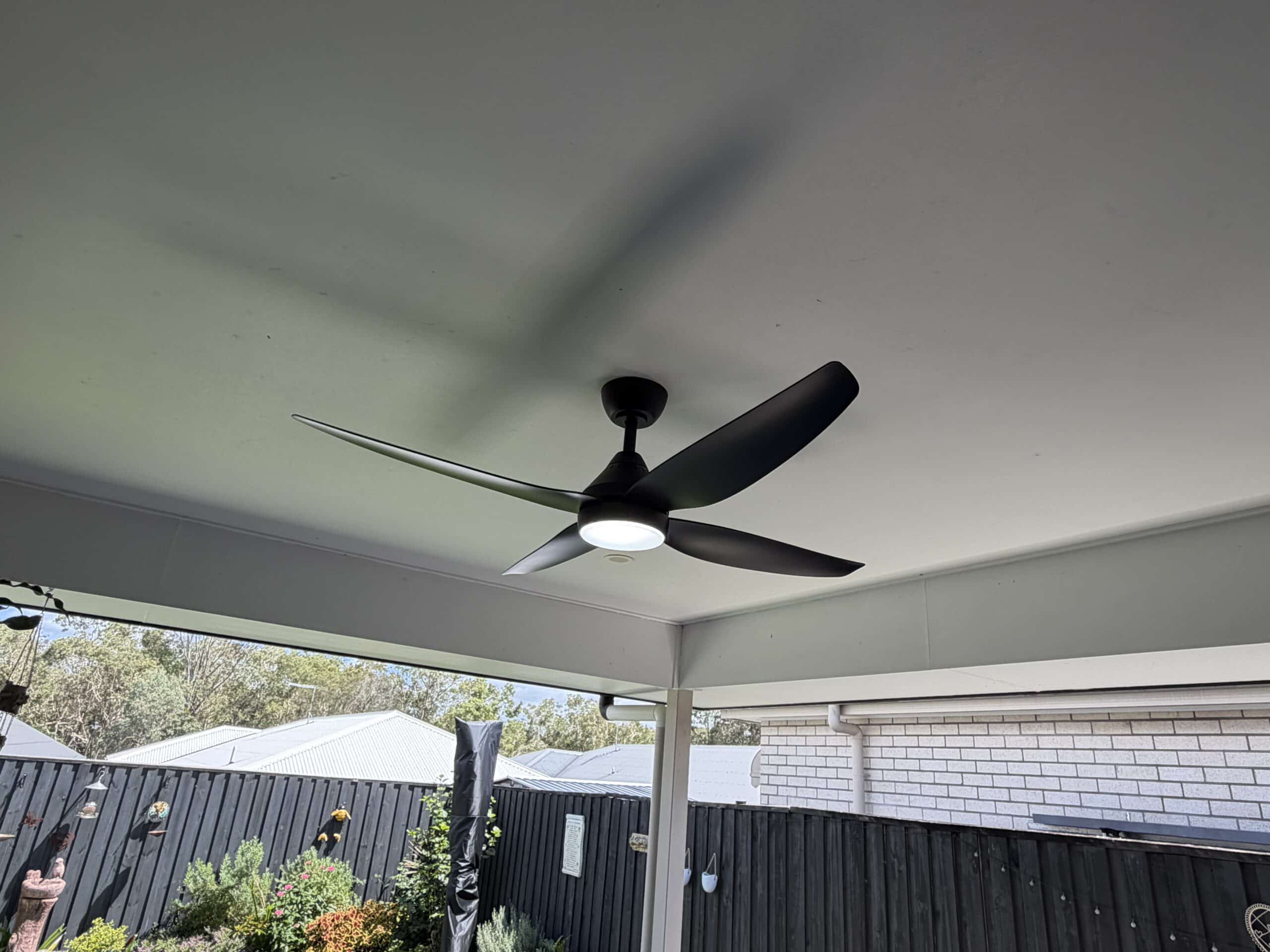
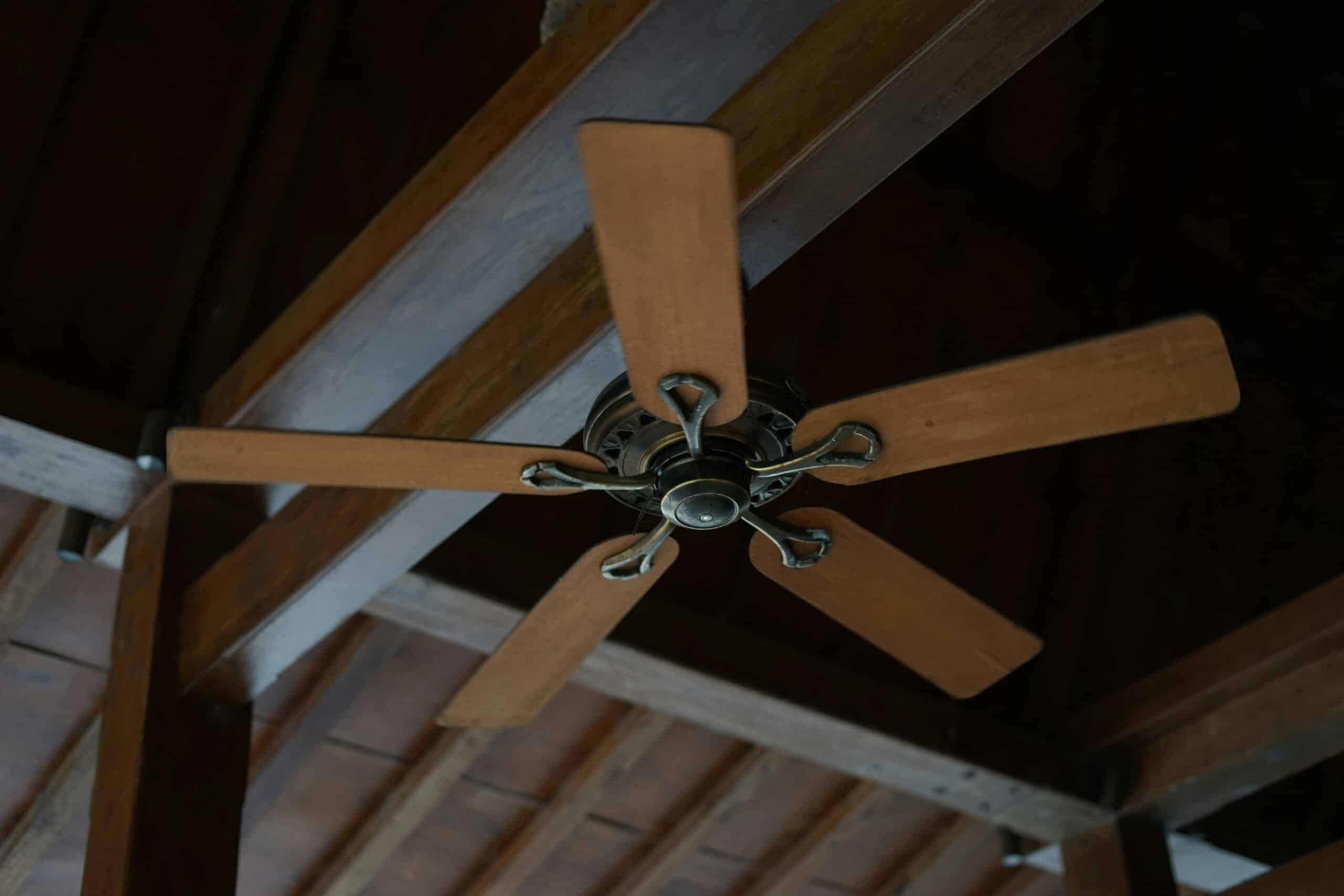
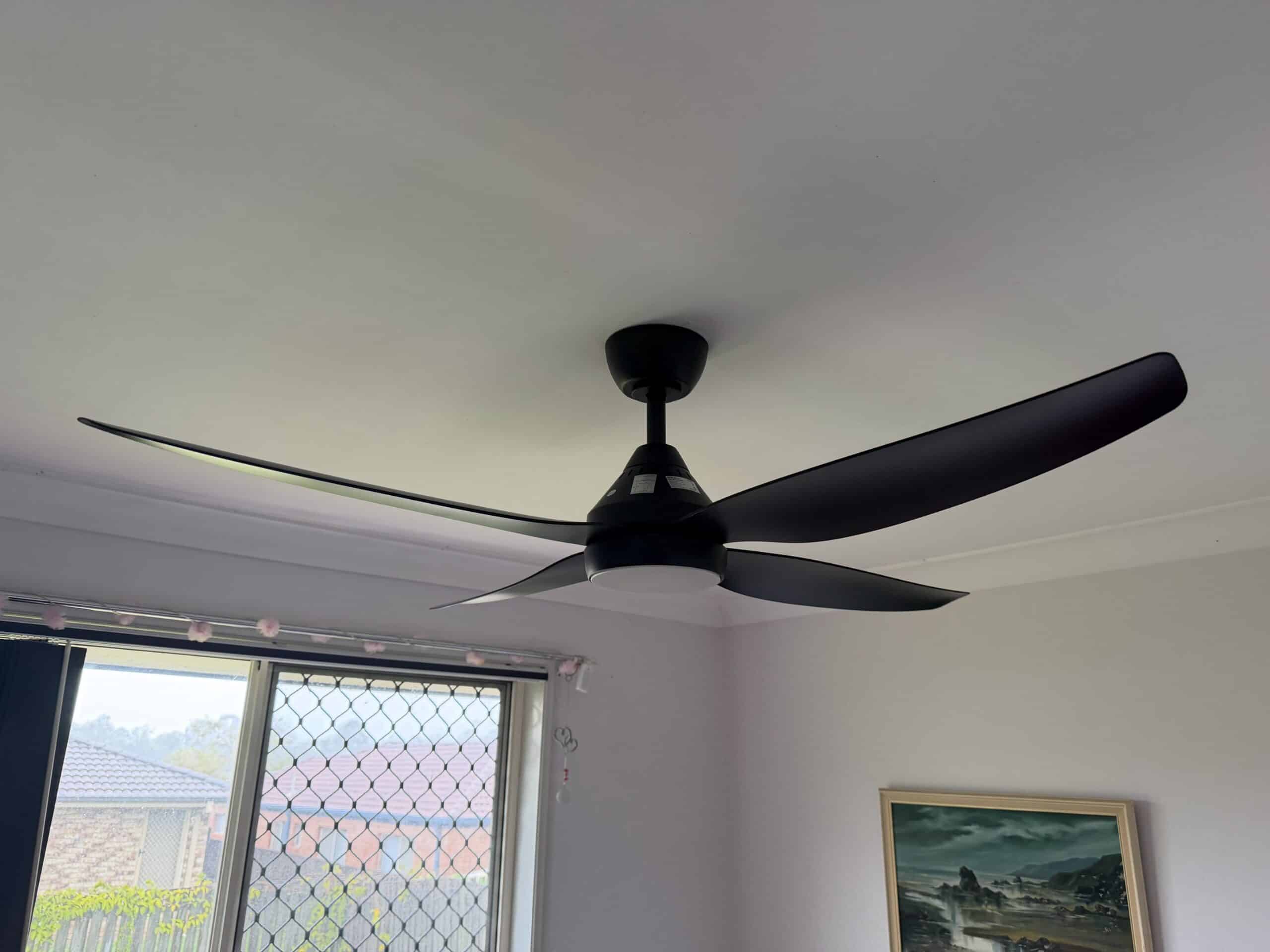
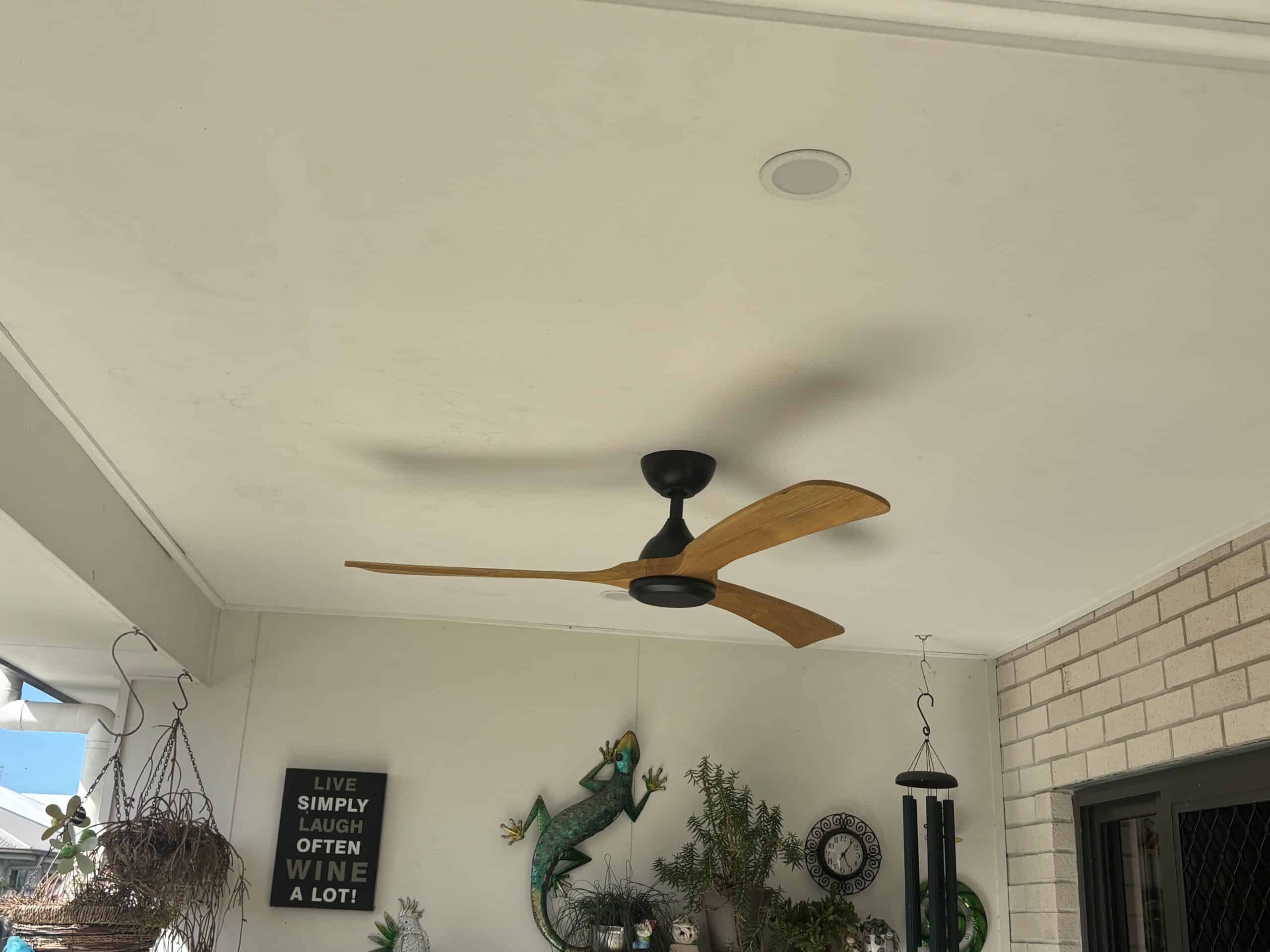
The team at HSJ Electrical & Air can help you choose the right solution for your space and take care of the installation from start to finish.
Ceiling fan Installation requirements in Australia
Getting Fan Size and Placement Right
2.1m Minimum
Blade Height
1200mm
for Bedrooms
Right for most bedrooms and smaller living spaces.
1300mm+ for
Living Areas
Bigger rooms need a bigger sweep to move enough air.
Two Fans for
Open-Plan
Long open-plan spaces often work better with two fans than one.
Can you install a ceiling Fan yourself?
No. In Queensland, installing or replacing a ceiling fan is electrical work, and under the Electrical Safety Act 2002 it must be done by a licensed electrician. That applies even to a like-for-like swap on existing wiring.
A fan that is wired or mounted incorrectly is a genuine safety risk, and unlicensed work can cause problems with your home insurance if something goes wrong.
AC/DC Ceiling Fan: Which Should You Choose?
Ceiling fans use one of two motor types: AC (Alternating Current) or DC (Direct Current). Both provide effective cooling and airflow, but differ in energy efficiency, noise levels and cost.
DC ceiling fans use a motor powered by direct current, converted from your home’s AC electricity supply. They’re quieter, more energy-efficient and offer greater speed control, making them ideal for bedrooms and living areas where fans run for longer periods.
AC ceiling fans use traditional alternating current motors. They’re generally more affordable upfront and are a practical choice for garages, sheds and spaces where fans are used less frequently.
Upgrading from AC to DC may also require a compatible remote or wall controller. At HSJ Electrical & Air, we’ll assess your existing setup and help you choose the right fan for your space, ensuring a safe, hassle-free installation.
What Affects the Cost of Installing a Ceiling Fan?
The cost of ceiling fan installation depends on your existing wiring, ceiling type and the complexity of the job. Replacing a fan using existing wiring is generally the most affordable option, while installing new electrical circuits or additional wall controls may increase the cost.
Roof access and ceiling configuration also play a role. Single-storey homes with clear roof access typically allow for a quicker, more straightforward installation. Ground-floor ceilings in two-storey homes, high ceilings and raked ceilings can require additional time, specialised mounting equipment or longer downrods. Some installations may also need additional bracing to ensure the fan is safely and securely mounted.
Frequently Asked Questions
Can you install a fan I have already bought?
Can a ceiling fan go where my light is now?
Usually, yes. The existing light point often provides the power, but we need to confirm the ceiling can support a fan and that the blades will clear 2.1 metres. If you want the light and fan on separate controls, we may need to add a switch or controller.
Book your ceiling fan installation
Tell us how many fans you need and where they are going, and we will come back with a clear quote. Call Dave on 0478 708 217 or request a quote online.
Request a Quote
Tell us how many fans you need, which rooms they’re going in and whether you already have the fans, and we’ll come back with a clear quote.
Prefer to talk it through? Give us a call.

