



Smoke Alarm Installation
& Compliance Checks
Compliance Inspections
Full System Upgrades
Hardwired Replacements
Additional Alarms
Rental & Pre-Sale Compliance
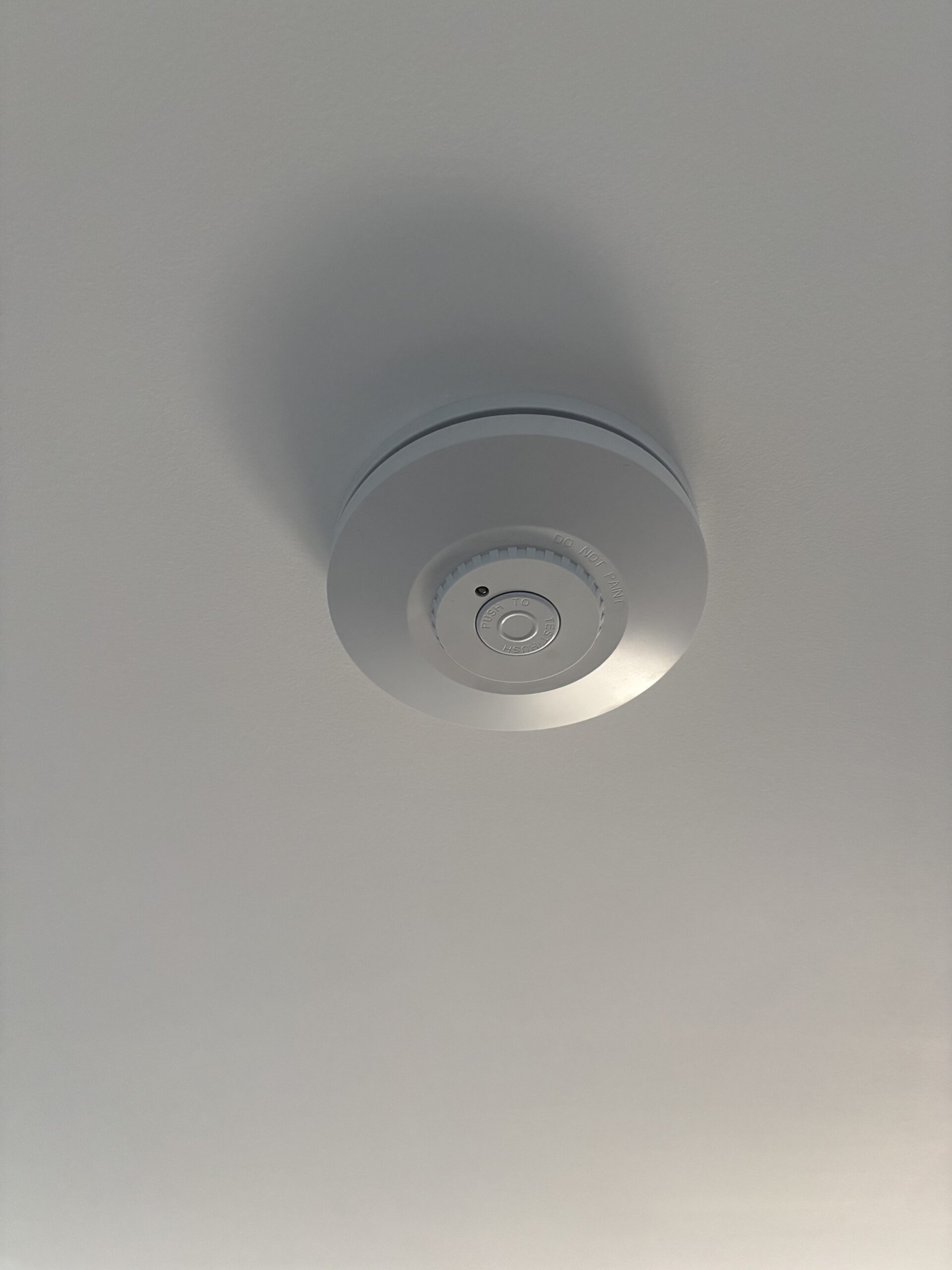
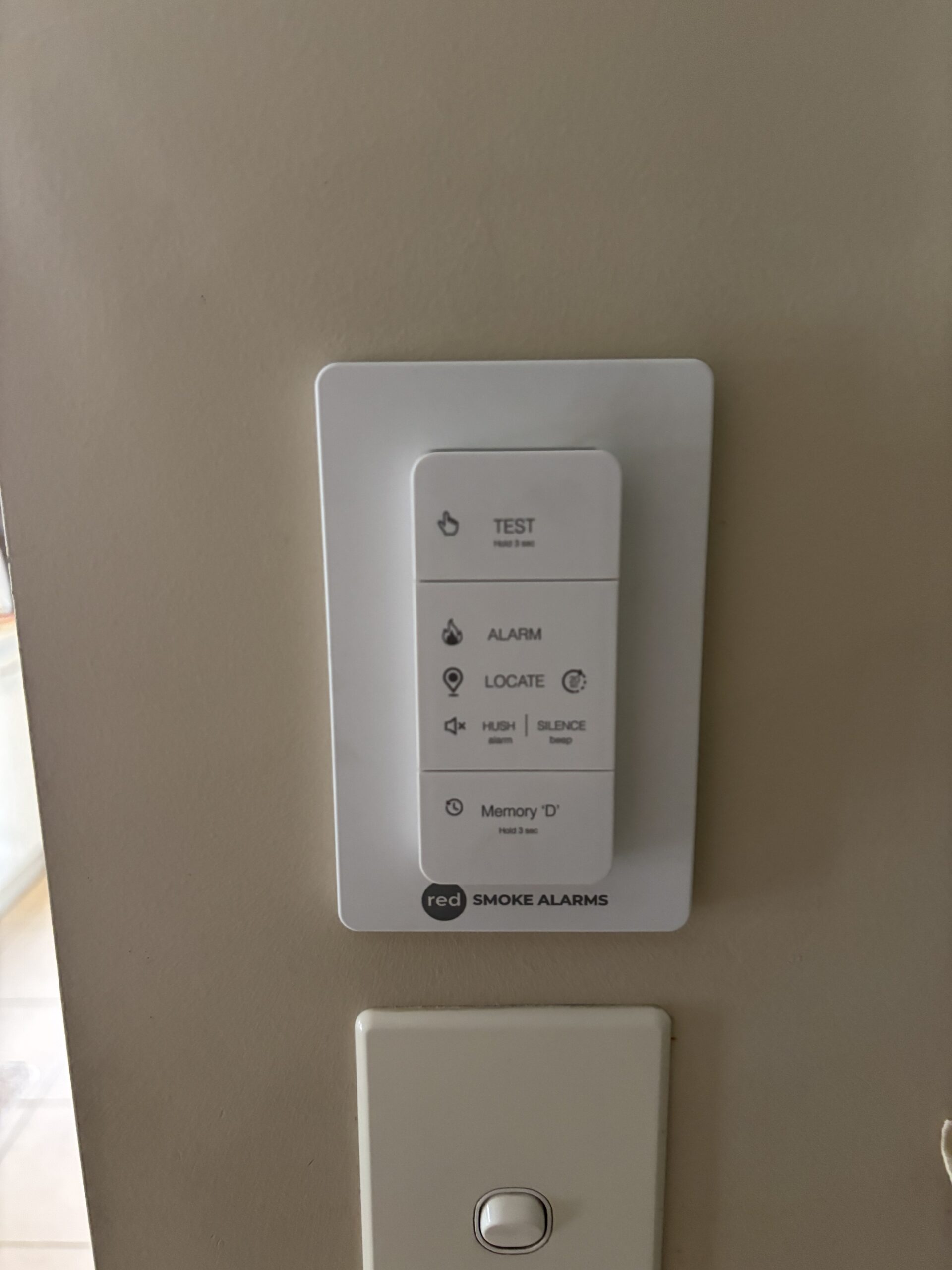
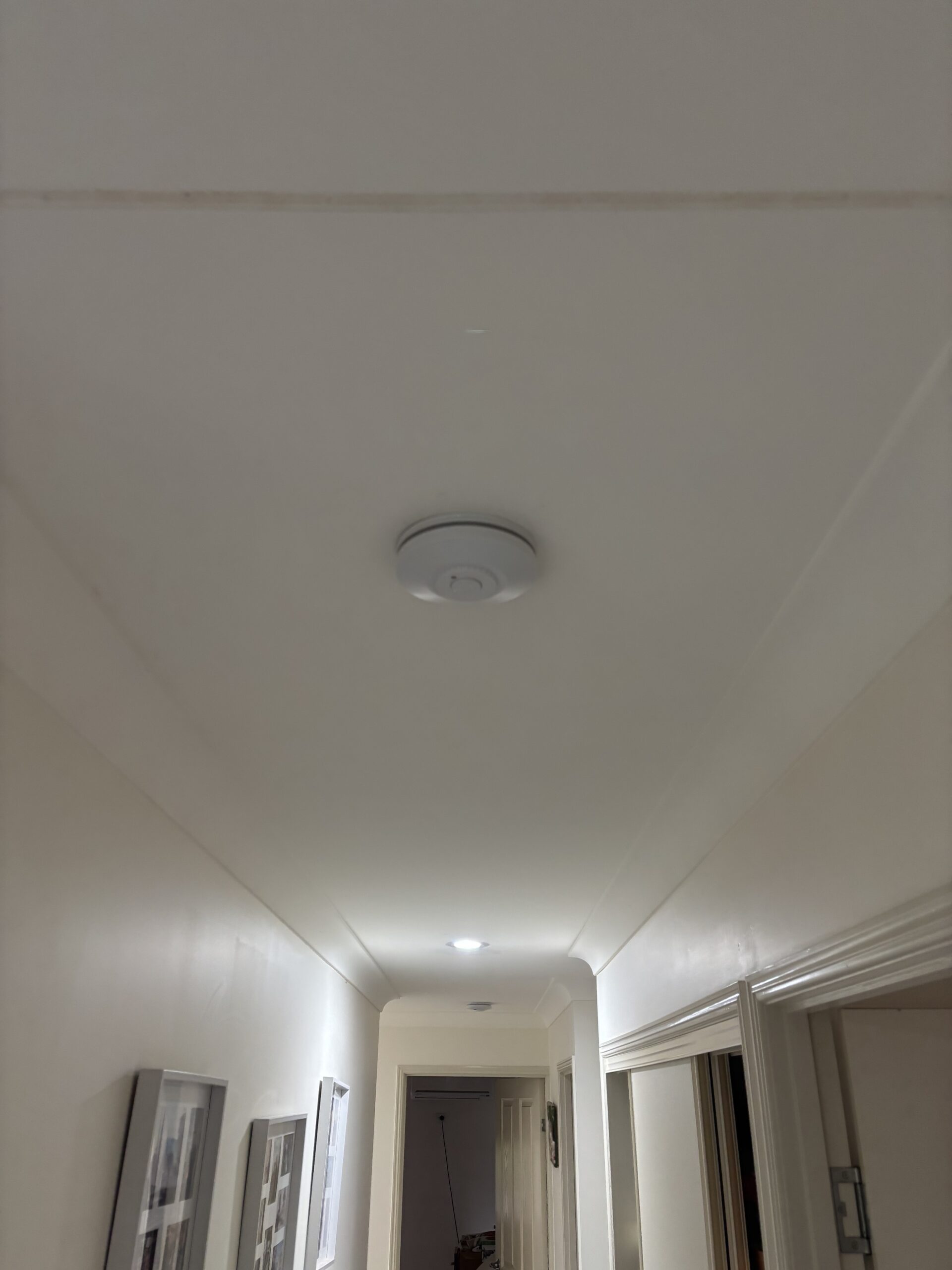
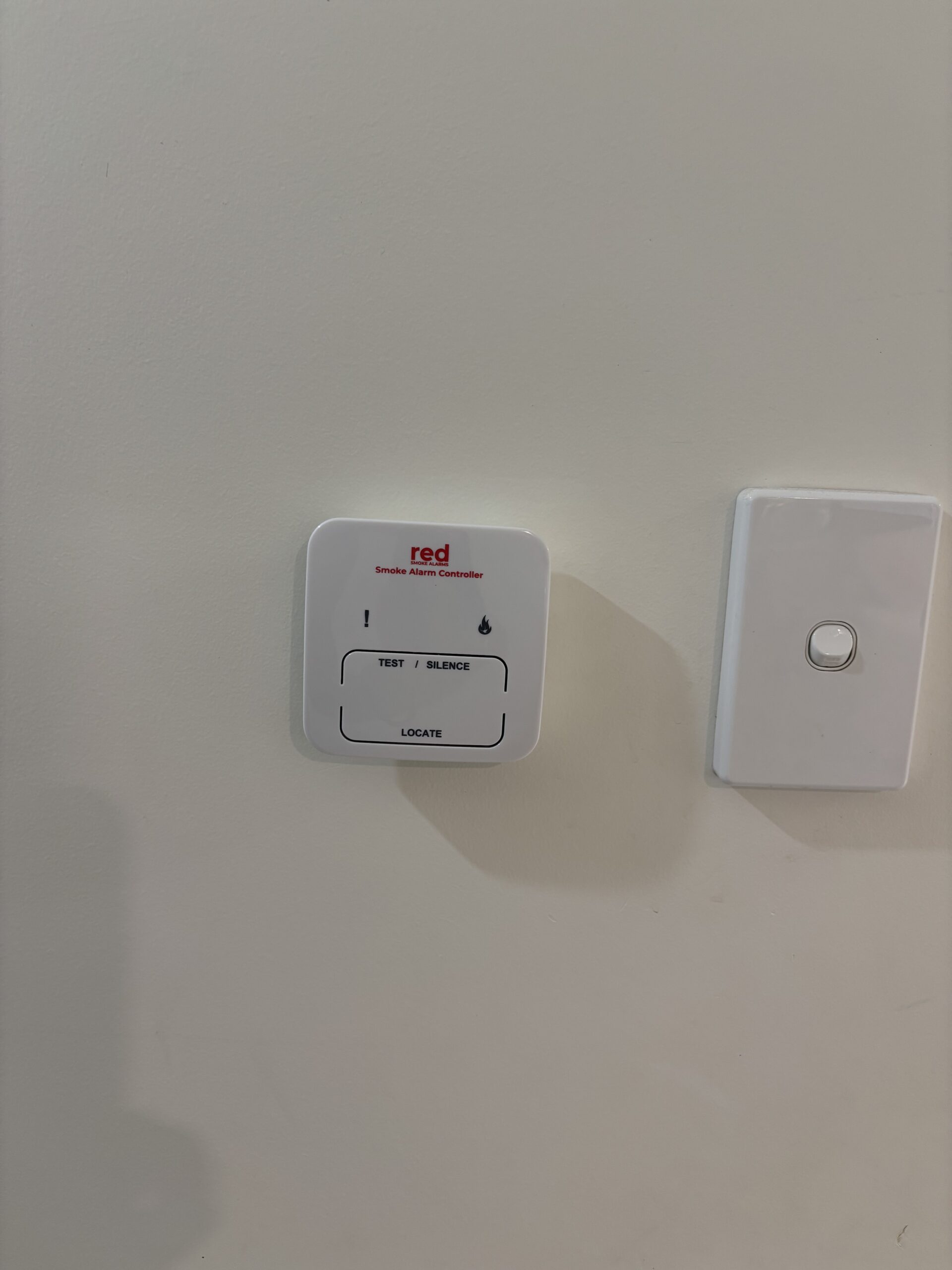
From 1 January 2027, every Queensland home must have interconnected photoelectric smoke alarms. Not sure if your house is compliant? Give as a call.
QLD SMOKE ALARM REQUIREMENTS
What Queensland Smoke Alarm Law Requires
Every smoke alarm must meet the four requirements as stated below. For more information, check out the Queensland Government Smoke Alarm Laws.
Smoke alarms must be installed in every bedroom, in hallways that connect bedrooms to the rest of the home, and on every storey. If a storey has no bedrooms, the alarm goes in the most likely path of travel to the exit.
Photoelectric Only
Compliance with AS 3786-2014 and no ionisation sensor.
10-Year Battery
Mains powered, or a non-removable 10-year battery.
Interconnected
When one alarm sounds, every alarm in the home sounds.
Under 10 Years Old
Smoke alarms older than 10 years must be replaced.
Book your smoke alarm installation today.
Who Needs to Comply, and By When?
The final stage covers everyone else. If you own and live in a home you bought before 2022 and haven’t upgraded your alarms, 1 January 2027 is your deadline. That includes townhouses and units as well as houses.
Hardwired or 10-Year Battery Smoke Alarms?
Both are legal for existing homes, and you can combine them as long as every alarm is interconnected. The one fixed rule: if an alarm is hardwired now, its replacement must be hardwired too.
Hardwired smoke alarms are the more reliable long-term choice where there’s existing wiring and good roof access. They connect to your home’s mains power and must be installed by a licensed electrician.
Wireless 10-year battery smoke alarms make sense where running cable is impractical, such as ground floor ceilings in two-storey homes or units with concrete slabs above. They link to each other without wiring.
Plenty of homes end up with a mix: hardwired where the circuit already exists and wireless where new alarms are needed. We’ll check your setup and recommend the right combination for your home.
Smoke Alarm Compliance Certificates
In queensland, homeowners aren’t required to hold a compliance certificate or notify the Queensland Fire Department that their home complies.
Compliance still matters though. Hardwired smoke alarms installed by a licensed electrician must come with a certificate of testing under the Electrical Safety Regulation 2013. In addition, Real estate agents and conveyancers often ask landlords and sellers for a compliance certificate before a lease or settlement.
At HSJ, we provide written confirmation after every installation, so you’ll have what your agent or conveyancer might require.
Book your smoke alarm installation today.
Frequently Asked Questions
QLD Smoke Alarm Compliance Laws 2027: Who needs to comply, and by when?
The final stage covers everyone else. If you own and live in a home you bought before 2022 and haven’t upgraded your alarms, 1 January 2027 is your deadline. That includes townhouses and units as well as houses.
Do you need a smoke alarm compliance certificate in QLD?
Not as a general legal requirement. Homeowners don’t have to hold a certificate or notify the Queensland Fire Department that their home complies.
Paperwork still matters in two situations. Hardwired smoke alarms installed by a licensed electrician come with a certificate of testing under the Electrical Safety Regulation 2013. And real estate agents and conveyancers often ask landlords and sellers for a compliance certificate before a lease or settlement. We provide written confirmation after every installation, so you have what your agent or conveyancer will ask for.
How many smoke alarms does my house need?
A typical single-storey, three-bedroom home needs at least four alarms, and often more where bedrooms sit in different wings.
What affects the cost of smoke alarm installation?
Smoke alarm installation starts from [CONFIRM: price per alarm installed]. The total depends mostly on how many alarms your home needs, which comes down to the number of bedrooms, hallways and storeys. Hardwired alarms take longer to install than wireless ones, and reusing existing wiring costs less than running new cable.
Roof access also plays a role. Single-storey homes with clear roof space are quicker to wire than ground floor ceilings in two-storey homes. We quote after checking your current setup, so you pay for what your home actually needs rather than a standard package.

